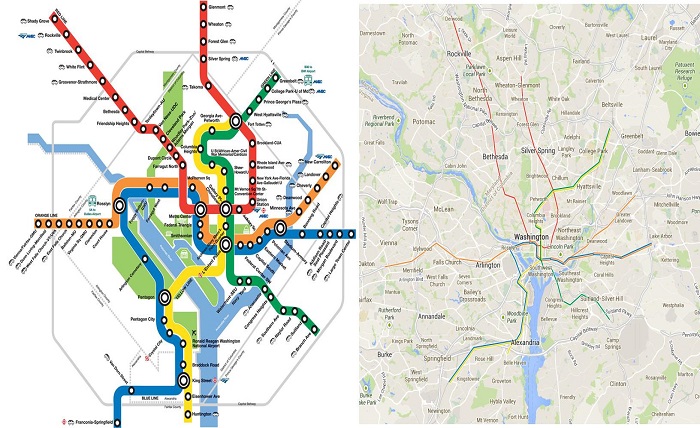
The metro map is one of the most important tools for navigating modern cities, helping millions of people understand complex subway and rail systems in a simplified visual format. A well-designed metro map turns complicated routes, intersections, and transfer points into an easy-to-read diagram that anyone can follow.
In daily urban life, the metro map is often the first thing commuters check before starting their journey. Whether in print or digital form, the metro map reduces confusion and saves time by clearly showing how different lines connect across a city.
History and Evolution of Metro Map
The metro map has a fascinating history that dates back to the early development of underground rail systems in major cities like London. The first simplified metro map designs were created to make complex railway networks easier for passengers to understand.
Over time, the metro map evolved from geographically accurate layouts to more schematic and abstract designs. This transformation allowed the metro map to focus on clarity rather than exact distances, making it more user-friendly for everyday commuters.
Design Principles of Metro Map
A successful metro map follows strict design principles that prioritize readability and simplicity. Designers of a metro map often use straight lines, uniform spacing, and consistent angles to reduce visual clutter.
Another key principle in a metro map design is color coding, where each line is assigned a distinct color. This helps users quickly identify routes and transfers. The metro map also avoids unnecessary geographical details to keep the focus on navigation.
Digital Transformation of Metro Map
In the digital age, the metro map has transformed significantly with the introduction of mobile apps and real-time navigation tools. Today’s metro map is no longer limited to printed posters but is integrated into smartphones for instant access.
Modern metro map applications often include live updates, route suggestions, and estimated travel times. This digital version of the metro map has made commuting even more efficient and stress-free for urban travelers.
Benefits of Using Metro Map
The metro map offers several benefits to both residents and tourists in major cities. One of the main advantages of a metro map is that it simplifies complex transportation systems into an easy visual guide.
A metro map also helps reduce travel anxiety by clearly showing routes, stops, and interchanges. For tourists, the metro map is an essential tool for exploring unfamiliar cities without getting lost or confused.
Famous Metro Map Systems Around the World
Different cities have developed iconic metro map systems that are recognized globally. For example, the London Underground metro map is one of the most famous designs due to its simplicity and effectiveness.
Similarly, the Tokyo metro map and New York metro map are widely used examples of complex transit systems made understandable through smart design. Each metro map reflects the unique structure and culture of its city while maintaining usability.
Challenges in Metro Map Design
Designing a metro map is not always easy, as it requires balancing accuracy and simplicity. One major challenge in creating a metro map is deciding what geographical details to exclude without confusing users.
Another challenge in a metro map is ensuring accessibility for all users, including those with color blindness or visual impairments. Designers of a metro map must constantly innovate to make navigation easier for everyone.
Future of Metro Map Technology
The future of the metro map is expected to be more interactive and intelligent with advancements in artificial intelligence and augmented reality. A future metro map may adapt in real time based on traffic, delays, and user preferences.
We may also see 3D and AR-based metro map systems that guide users visually through stations. This evolution will make the metro map even more dynamic and personalized for urban commuters.
Conclusion
The metro map remains an essential part of urban transportation systems worldwide, offering clarity, simplicity, and convenience to millions of users. From its historical origins to modern digital platforms, the metro map has continuously evolved to meet the needs of growing cities.
As technology advances, the metro map will continue to improve, becoming more interactive and intelligent. Ultimately, the metro map will always play a key role in helping people navigate cities efficiently and confidently.
FAQs
1.What is a metro map used for?
A metro map is used to help passengers navigate subway and rail systems easily by simplifying complex routes into a clear visual layout.
2.Why is a metro map not geographically accurate?
A metro map is not geographically accurate because it prioritizes clarity and simplicity over exact distances and real-world positioning.
3.How does a digital metro map work?
A metro map in digital form uses apps and GPS technology to provide real-time updates, route planning, and navigation assistance.
4.Which is the most famous metro map in the world?
The London Underground metro map is considered the most famous due to its simple and iconic design.
5.What makes a good metro map design?
A good metro map design focuses on readability, color coding, simplicity, and easy navigation for all users.