For years, the ideal entertainment setup asked almost nothing from you. You chose a channel, pressed play, and sank into the sofa while the programme carried the evening. Streaming made that routine more convenient, but it also encouraged a familiar pattern: one episode became three, the next instalment began automatically, and watching remained the main action.
Platforms such as GemBet 88 belong to a newer screen culture. You can still watch, but you can also react, compare information, follow live events, switch between formats, and make choices while the action continues. Entertainment has moved from a fixed programme delivered to an audience towards an environment that responds to what you do.
Binge-Watching Made Convenience the Main Event
Streaming changed television by removing the schedule. You no longer had to wait a week for the next episode or organise your evening around a broadcaster’s timetable. Entire seasons arrived at once, and the platform remembered exactly where you stopped.
That freedom was powerful, but the basic relationship remained passive. The programme moved forward while you watched. Autoplay reduced the need to make another decision, and recommendations encouraged you to continue within the same flow.
After a long day, you didn’t need to learn rules, coordinate with anyone, or concentrate on several sources at once. Binge-watching became an easy default.
Interactive screens haven’t removed that option. They’ve added alternatives for moments when you want to participate.
The Second Screen Changed the Sofa
The first major shift didn’t happen inside the television. It happened in your hand.
Phones and tablets gave you a second layer around the main programme. You could search for an actor, message a friend, read reactions, or check a live score without leaving the broadcast. The screen in front of you showed the event, while the smaller one let you investigate and respond.
That behaviour is particularly visible in sport. According to Nielsen, “While 78% of college sports fans watch major events live, 31% use a second screen or device to engage on social media.” Indeed, the second device lets viewers join the wider conversation.
A dramatic goal now produces two reactions at once. You respond to the match, then open the group chat, share a clip, check a player statistic, or see how other supporters interpreted the moment. Watching becomes the centre of a larger activity.
Live Data Lets You Question the Picture
Traditional broadcasts gave commentators control over most of the explanation. They chose which statistic to mention, which replay to show, and which tactical detail deserved attention.
Live streaming platforms give you more independence. You can examine possession, shots, line-ups, player positions, and changing tables while the event continues. You don’t have to accept the first explanation you hear.
A team may look dominant because it has the ball while creating little. A striker may seem quiet because the team can’t reach them. And sure, data doesn’t settle every argument, but it gives you better questions.
This changes your role. You’re still a viewer, yet you’re also reading the event, testing impressions, and building your own interpretation.
Games Turn Attention Into Action
Games make the change from passive to active much clearer because the experience depends on what you do. You choose a direction, solve a problem, time an action, or respond to another player. Each decision produces a result, and that result shapes what happens next.
Legendary game designer Sid Meier described a game as “a series of interesting choices.” That’s the fundamental difference between playing and watching. A film continues whether you react or not. A game waits for you to decide.
Even a simple mobile game can create that sense of involvement. You aren’t only observing an event. You’re testing your judgement, responding to feedback, and adjusting your next move based on what just happened.
Mobile design has made this interaction easier to fit into ordinary gaps. A short round can sit inside a commute, a break, or half-time. The screen becomes less like a window and more like a surface you control.
Live Events Now Continue Outside the Broadcast
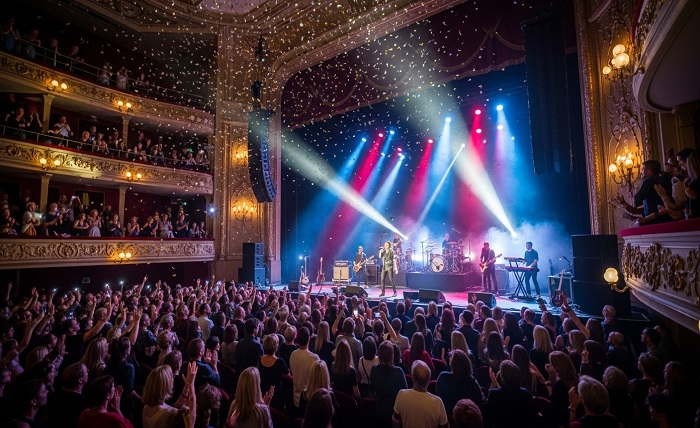
A major match, concert, final, or awards show no longer begins when the live feed starts. The surrounding activity may begin days earlier through previews, podcasts, and predictions.
Also, during the event, clips and reactions travel almost instantly. Afterwards, interviews, analysis, memes, and arguments keep it alive. The live programme becomes one phase in a longer cycle.
This gives you several ways to participate. You can follow every minute, arrive only for the key moment, contribute to the discussion, or revisit the event through highlights later.
The old broadcast asked whether you were watching. The new ecosystem asks how you’re taking part.
Group Chats Became Informal Commentary Booths
Official commentary explains the event from the broadcast position. Your group chat explains it through friendships, rivalries, private jokes, and strong opinions.
That conversation can make an ordinary fixture memorable. Someone predicts the scorer, disappears after a bad result, or sends the same reaction image every time a referee makes a controversial decision.
You don’t need to be in the same room. The chat creates a shared venue across homes, cities, and time zones. Your attention moves between the match and the people watching it with you.
The entertainment gives everyone a common subject, and the group creates its own experience around it.
Polls, Predictions, and Fantasy Games Give You a Stake
Interactive features often work by asking you to commit to an opinion. Who’ll score first? Which team will win? Who should be substituted? Which player belongs in your fantasy line-up?
Once you’ve chosen, you watch differently. A player who might’ve been one name among twenty-two now matters because you selected them. A late substitution affects the decision you made before kick-off.
These features don’t change the match, but they change your relationship with it. You’re measuring your judgement against the event.
The most effective interactions remain connected to the action. A random prompt distracts you. A well-timed question makes you notice something you might otherwise have missed.
Interactive Entertainment Needs Restraint
More buttons, alerts, statistics, and opportunities to respond don’t automatically create a better experience. Interaction can become clutter.
If a platform interrupts every moment with a prompt, you stop following the event itself. If several feeds compete for your attention, the second screen can weaken the first. Personalisation can also become repetitive when recommendations keep narrowing around what you’ve already chosen.
Good interactive design gives you control over the depth of involvement. You can watch quietly, open more information when it’s useful, and close the extra layer when you want the main event back.
Participation should stay optional.
Passive Entertainment Hasn’t Disappeared
After a demanding day, you may still want a programme that requires nothing beyond choosing it. That isn’t an outdated or inferior form of leisure.
The real change is that the screen can now shift roles. It can be a television, game board, social venue, statistics desk, and live control panel at different times.
You can watch a series without touching anything, then spend the next evening reacting to a match in real time. You can listen to a podcast while travelling or join a stream where the host responds to the audience.
Modern entertainment isn’t defined by constant interaction. It’s defined by your ability to choose how involved you want to be.
The Screen Now Waits for Your Move
Binge-watching made entertainment easier to access, but interactive screens have made it easier to enter. You don’t simply receive a finished programme. You can question it, respond to it, compete inside it, and share it while it’s happening.
That shift has changed the meaning of attention. Watching is still part of the experience, but it’s no longer the only action that matters. Your tap, message, prediction, or decision can shape the path you take through the event.
The strongest platforms understand both sides. They let you lean back when you want comfort and lean forward when you want involvement. Entertainment became something people do because the screen stopped acting like the end of the experience and started becoming the place where the experience begins.