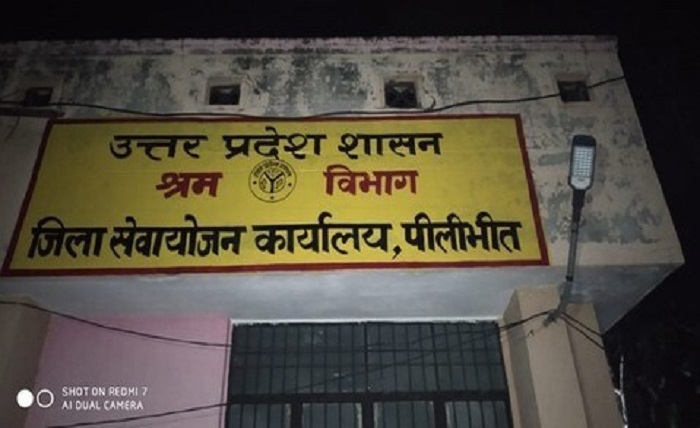
Sewayojan is a term that carries deep significance in social, administrative, and developmental contexts, and understanding sewayojan is the first step toward appreciating its value. In simple terms, sewayojan refers to the systematic planning, organization, and delivery of services aimed at public welfare, employment, or social development, and the concept of sewayojan is rooted in structured service execution.
The idea of sewayojan emphasizes coordination, efficiency, and purpose, ensuring that services reach the intended beneficiaries in an organized manner. When we discuss sewayojan, we are often referring to initiatives where service planning meets implementation, creating a bridge between policy and people.
Historically, sewayojan has evolved as societies recognized the need for planned service delivery instead of random or unstructured efforts. In this way, sewayojan became a framework through which governments, institutions, and organizations could manage resources more effectively.
In modern usage, sewayojan is closely associated with employment planning, social welfare programs, and development schemes, making sewayojan a vital component of structured governance. The relevance of sewayojan continues to grow as populations increase and service demands become more complex.
The Role of Sewayojan in Social and Economic Development
Sewayojan plays a crucial role in driving both social and economic development, as sewayojan ensures that resources are allocated where they are needed most. Through effective sewayojan, societies can reduce inequality and improve access to essential services.
Economic growth often depends on efficient planning, and sewayojan provides a roadmap for utilizing human and financial resources productively. By focusing on sewayojan, policymakers can align employment opportunities with skill development and market needs.
On a social level, sewayojan supports inclusive growth by targeting vulnerable groups and ensuring equitable service distribution. Whether it is employment assistance, education support, or healthcare access, sewayojan helps integrate social objectives into practical action.
The long-term impact of sewayojan is visible in improved living standards, reduced unemployment, and enhanced public trust. When sewayojan is implemented transparently, it strengthens the relationship between institutions and citizens.
Sewayojan and Employment-Oriented Initiatives
One of the most common associations of sewayojan is with employment-related programs, where sewayojan focuses on job creation and workforce planning. These initiatives use sewayojan to match job seekers with suitable opportunities based on skills and qualifications.
Through structured sewayojan, employment exchanges and career guidance systems can function efficiently. This organized approach ensures that individuals receive timely information and support, making sewayojan an essential tool in labor market management.
Sewayojan also supports skill development programs by identifying industry needs and aligning training accordingly. In this way, sewayojan reduces the gap between education and employment, benefiting both employers and job seekers.
In regions facing high unemployment, sewayojan-driven initiatives can stabilize the economy by promoting self-employment, entrepreneurship, and vocational training. Thus, sewayojan becomes a catalyst for sustainable employment growth.
Digital Transformation and the Evolution of Sewayojan
With the rise of technology, sewayojan has undergone a significant digital transformation, making sewayojan more accessible and efficient than ever before. Online platforms now support registration, tracking, and service delivery under the umbrella of sewayojan.
Digital sewayojan systems reduce paperwork and improve transparency, allowing beneficiaries to access services remotely. This modernization of sewayojan saves time for both administrators and users, increasing overall efficiency.
Data analytics and automation further enhance sewayojan by enabling better decision-making and performance monitoring. Through digital sewayojan, authorities can assess outcomes and refine strategies based on real-time insights.
The integration of mobile applications and online portals into sewayojan has expanded its reach, especially in rural and underserved areas. As technology advances, sewayojan continues to evolve into a more responsive and user-friendly system.
Benefits of Sewayojan for Individuals and Communities
The benefits of sewayojan extend to individuals, families, and entire communities, as sewayojan creates structured pathways to access services. For individuals, sewayojan provides clarity, guidance, and support in navigating complex systems.
Communities benefit from sewayojan through improved infrastructure, employment opportunities, and social services. When sewayojan is implemented effectively, it fosters collective growth and social harmony.
Another advantage of sewayojan is accountability, as structured planning and execution reduce misuse of resources. This transparency builds confidence among beneficiaries and encourages participation in sewayojan initiatives.
Over time, sewayojan contributes to community resilience by empowering people with skills, resources, and opportunities. The cumulative impact of sewayojan strengthens social and economic foundations.
Challenges and Limitations Associated with Sewayojan
Despite its advantages, sewayojan faces several challenges that can hinder its effectiveness, making it important to critically examine sewayojan systems. One major issue is lack of awareness, as many potential beneficiaries may not fully understand sewayojan programs.
Administrative inefficiencies and limited resources can also affect sewayojan implementation. Without proper monitoring, sewayojan initiatives may fail to reach their intended audience.
Technological barriers pose another challenge for digital sewayojan, particularly in areas with limited internet access. Bridging this digital divide is essential for inclusive sewayojan.
Addressing these challenges requires continuous improvement, feedback mechanisms, and capacity building within sewayojan frameworks. By recognizing limitations, stakeholders can refine sewayojan for better outcomes.
The Future Scope and Importance of Sewayojan
Looking ahead, the future of sewayojan appears promising, as sewayojan is increasingly recognized as a cornerstone of sustainable development. Emerging technologies and data-driven approaches will further enhance sewayojan effectiveness.
Policy integration and cross-sector collaboration will play a key role in expanding the scope of sewayojan. By aligning education, employment, and social welfare, sewayojan can deliver holistic solutions.
Globalization and changing workforce dynamics also highlight the need for adaptive sewayojan strategies. As economies evolve, sewayojan must remain flexible and responsive to new challenges.
Ultimately, the continued relevance of sewayojan lies in its ability to connect planning with people-centric outcomes. With the right vision, sewayojan can shape a more inclusive and prosperous future.
Conclusion
Sewayojan represents a structured and purposeful approach to service delivery, and understanding sewayojan helps individuals and institutions unlock its full potential. From employment planning to social development, sewayojan acts as a bridge between policy and practice. By embracing innovation, addressing challenges, and focusing on inclusivity, sewayojan can continue to drive meaningful change. The long-term success of sewayojan depends on awareness, participation, and continuous improvement, ensuring that sewayojan remains relevant in a rapidly changing world.
FAQs
-
What does sewayojan mean?
Sewayojan refers to the systematic planning and implementation of services, and sewayojan focuses on organized service delivery for public benefit. -
How is sewayojan related to employment?
Sewayojan often supports employment initiatives by organizing job matching, training, and career guidance through structured sewayojan systems. -
Is sewayojan only a government concept?
While commonly used in government contexts, sewayojan can also be applied by private and non-profit organizations for service planning. -
What are the main benefits of sewayojan?
The key benefits of sewayojan include efficiency, transparency, accessibility, and improved outcomes for individuals and communities. -
What is the future of sewayojan?
The future of sewayojan lies in digital integration, data-driven planning, and inclusive strategies that enhance the overall impact of sewayojan.