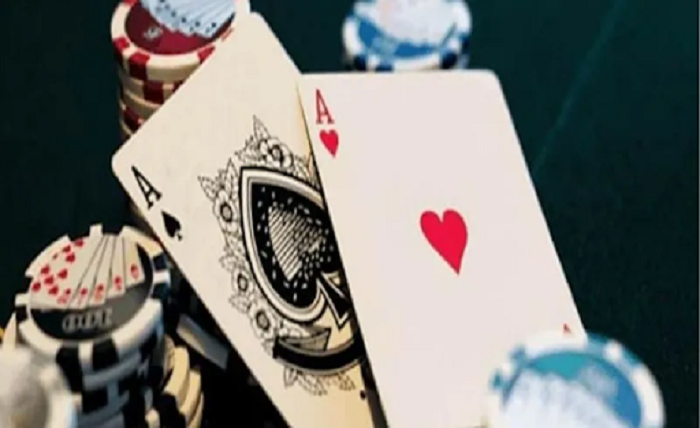
Bluffing in poker is the pinnacle of psychological art, where players turn weak cards into sharp weapons to overwhelm opponents and control the game. The content below details the golden moments to use this tactic and the dangerous situations to avoid. Let’s explore the secrets to mastering the table and becoming a top-tier player with JOGOLUCK!
When should you use bluffing in poker?
To successfully execute bluffing in poker, https://jogoluck.br.com/ players need subtlety in reading the situation rather than relying solely on pure recklessness. Choosing the right moment not only helps you protect your capital but also maximizes profits from seemingly unwinnable hands.
You have a positional
Sitting at the end of the betting round gives you the privilege of observing your opponents’ actions before making a decision. Statistically, players at the end of the betting round have a 35% higher success rate in poker than those at the beginning of the table. You see all your checks, it signals about an 80% chance they don’t have a strong hand, creating an opportunity to launch an overwhelming attack.
When the face-up cards are highly intimidating
Utilizing face-up cards to build a dangerous narrative is an extremely clever way to bluffing in poker. If the face-up cards promise to form a Flush or Straight, the likelihood of opponents folding increases significantly, often exceeding 60% you bet big. Even with extremely low hole cards, the pressure from the cards on the table will force you to believe you hold a devastating hand.
Attacking “Solid” Opponents
Tight players are the ideal targets for poker because they have a conservative mindset. This group usually only takes risks if they have a “Top Pair” hand or higher; they are willing to fold if they face strong betting pressure. When you identify an overly cautious opponent, a well-timed bluff allows you to win all the money in the pot without revealing your hand.
Using a Semi-Bluff Strategy
A semi-bluffing in poker the perfect combination of psychological tactics and mathematical probability your hand still has a chance to improve. Even if your opponent doesn’t fold, you still have about an 18% – 25% chance of winning if the final card completes a strong hand. This is a risk-optimizing method, as it creates two paths to victory: your opponent surrenders or you win through sheer strength in the reveal round.
When should you avoid using bluffs?
Besides knowing when to stop, knowing to bluff is crucial for protecting your bankroll. Bluffing in poker against the wrong opponent or at the wrong time will lead to unnecessary and heavy losses at the table.
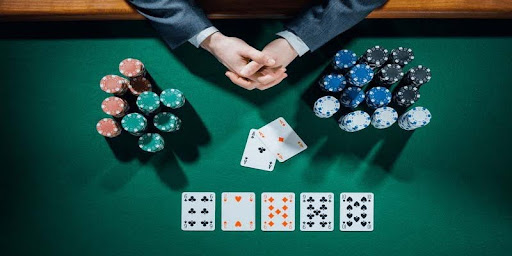
Situations to avoid when bluffing at JOGOLUCK
There are too players
The percentage of successful bluffs is inversely proportional to the number of remaining players in the hand. There are 3 or more, the probability that at least one person has a strong enough hand to beat you increases to 75%. In multi-line hands, the risk of being counterattacked by is extremely high, making in poker incredibly risky.
Never bluff a calling machine
Calling machines are players who have a call rate of over 40% regardless of hand strength bluffing in poker. With this group, psychological tactics are completely ineffective because they will call to the end even with just a small pair. Trying to feign a strong hand against these has an 85% failure rate, so the best approach is to only bet you actually have a strong hand.
When are in a Tilt or have excessively large chip counts
Opponents who are psychologically stressed (Tilt) or possess a huge amount of chips tend to play extremely recklessly and carelessly. This group is willing to spend chips equivalent to 50-100 times the Big Blind just to satisfy their curiosity or vent their frustration. Against these in poker will often lead to a losing hand.
When your story is illogical
A bluffing in poker is only effective if the betting rounds form a logical sequence. If you only check in the rounds but suddenly go all-in the last card doesn’t change the situation, the probability of being suspected by your opponents is 90%. When your betting strategy lacks consistency, seasoned players can easily see through it and predict your moves immediately.
The Secret to Becoming a Bluff Master
Becoming a bluff master in poker isn’t simply about taking risks, but the result of honing your observation skills and absolute psychological control. Top experts always know how to combine betting techniques with body language to make willingly deposit money.
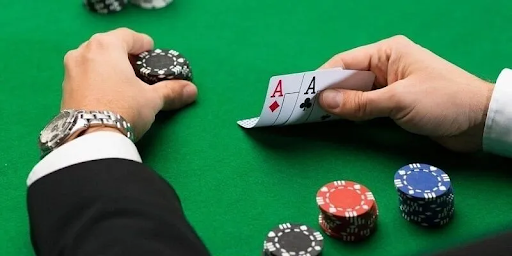
Tips for High-Level Bluffing in Poker
- Build a consistent image: Players need to maintain a tight playing style over a long period so that opponents assume each bet comes with a very strong hand, increasing the fold rate to up to 80%.
- Optimize your bet size Betting: Don’t bet too little as it makes your opponent feel cheap and easy to follow, but also don’t bet unreasonably large amounts when bluffing in poker.
- Mastering the pace of decision-making: Always maintain a stable reaction time of 5-10 seconds for every situation to completely mask psychological signals.
- Use table dynamics to your advantage: Observe how other players react to each other’s bets, moods, and tendencies. Works best if you exploit recent patterns, such as targeting players who have been folding frequently or showing frustration. Timing your bluffs according to table momentum can significantly increase your success rate.
- Vary your frequency: Avoid becoming predictable by mixing yours with genuine strong hands. Occasional bluffs the table expects a real hand-or playing strong hands deceptively-keeps opponents guessing and prevents them from reading your strategy.
Conclusion
Mastering the bluffing in poker is the key to mastering the game, turning unfavorable situations into resounding victories. Hopefully, the above sharing has provided you with insight into how to use this psychological tactic logically and effectively. Join JOGOLUCK BET to prove your skills and win valuable prizes!